



THE Independent National Electoral Commission (INEC) has begun reviewing the Supreme Court’s latest interpretation of the Electoral Act 2026, a development that could reopen questions over the eligibility of several high-profile politicians ahead of the 2027 elections.
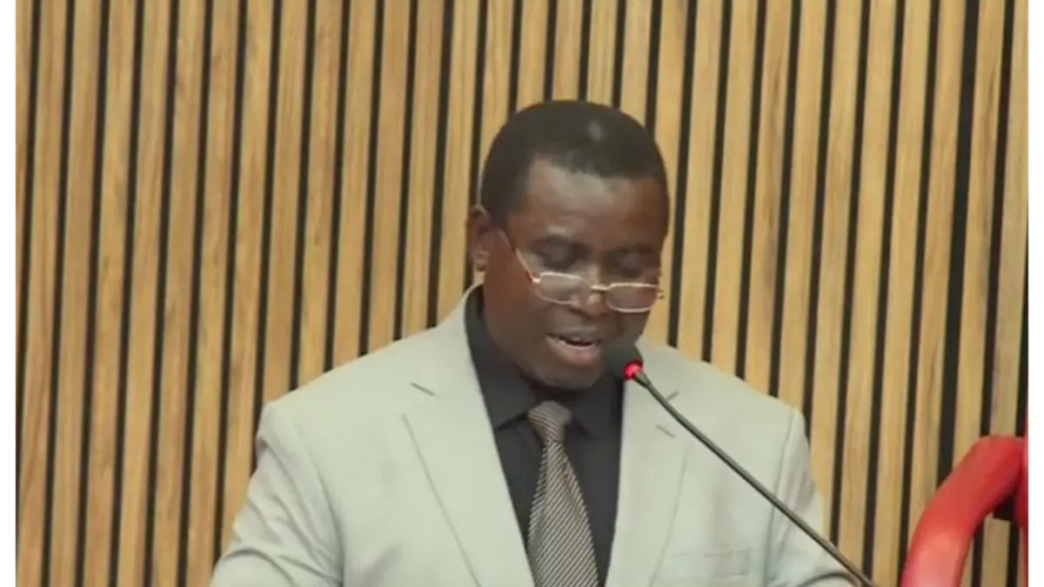
INEC Chairman, Prof Joash Amupitan, disclosed this on Tuesday in Abuja, saying the commission had received complaints from political parties, aspirants and lawmakers over the implications of the judgment delivered by the Supreme Court on September 24.
The ruling, delivered in the case between INEC and the Zenith Labour Party (ZLP), upheld sections 77(5), 77(6), 77(7) and 84(2) of the Electoral Act 2026.
The apex court also upheld INEC’s revised timetable and schedule of activities for the 2027 general election.
Amupitan said the commission received the certified true copy of the judgment on Tuesday and had commenced studying its provisions before deciding what action to take.
“We only received the certified true copy of this judgement this morning, and it is being reviewed,” he said.
READ ALSO: INEC challenges Atiku’s suit seeking Tinubu’s disqualification over NYSC certificate
Chinda, Omo-Agege among politicians in focus
The review is significant for politicians who changed political parties after nomination exercises had already been conducted or commenced by their previous parties.
One of the prominent names in focus is the All Progressives Congress (APC) governorship candidate in Rivers State, Mr Kingsley Chinda.
Also under attention is former Deputy Senate President and the Nigeria Democratic Congress (NDC) candidate for the Delta Central senatorial seat, Ovie Omo-Agege.
Related Articles
The list also includes former Cross River State Governor and Presidential Candidate of the Peoples Redemption Party (PRP), Mr Donald Duke, as well as former Speaker of the Delta State House of Assembly, Mr Victor Ochei.
Their cases have attracted scrutiny because of the timing of their movements between political parties and the nomination processes conducted by the parties involved.
The Supreme Court’s decision has consequently created fresh uncertainty over how the restored provisions of the Electoral Act should apply to candidates whose political transitions occurred during the nomination cycle.
READ ALSO: Tinubu omits primary, secondary school details as INEC releases candidates’ credentials
Parties seek clarity from INEC
Amupitan said complaints submitted to INEC are not limited to individual aspirants.
Political parties and members of the National Assembly have also approached the commission over the implications of the judgment.
The complaints could compel INEC to clarify whether candidates affected by the provisions can retain their nominations or whether parties must take additional steps to comply with the law.
For Chinda, Omo-Agege, Duke and Ochei, the outcome of the commission’s review could therefore become important to their respective 2027 ambitions.
However, INEC has not declared any of the four candidates ineligible.
The commission is still examining the Supreme Court judgment, and any decision on individual nominations is expected to follow that review.
Related Articles
READ ALSO: Court voids parts of INEC’s 2027 election timetable over Electoral Act breaches
Judgment puts nomination rules back under scrutiny
The Supreme Court ruling has effectively returned sections of the Electoral Act dealing with party membership, nomination and participation in elections to the centre of the 2027 political contest.
With major parties already selecting candidates and politicians changing platforms ahead of the polls, INEC’s interpretation of the judgment could have consequences for several ongoing candidacies.
Until the commission completes its review, the status of affected candidates remains subject to further clarification.
The immediate focus is now on whether INEC will issue fresh guidelines or require political parties and affected aspirants to take additional steps before the 2027 election process moves further.