

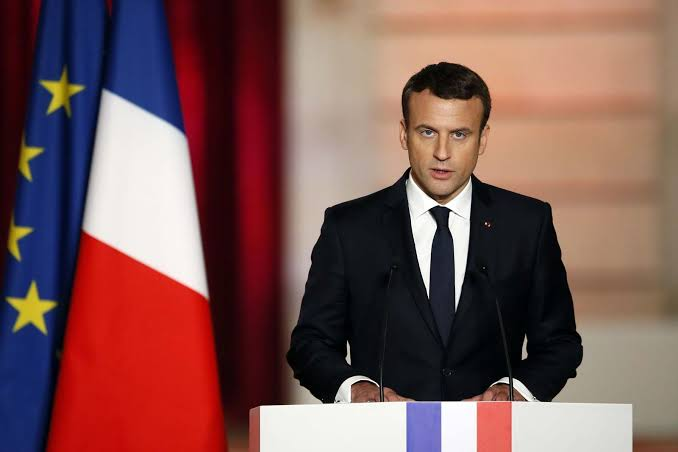
FRENCH President Emmanuel Macron is seeking a fresh G7 discussion on the possible release of emergency oil reserves as disruptions to Middle Eastern crude supplies tighten Europe’s energy market.
Macron said on Friday that he would bring G7 members together in the coming weeks to coordinate their oil stockpiles, exports and production capacity, while considering whether strategic reserves should be tapped.
France is also working to secure adequate supplies of diesel, aviation fuel and natural gas for the months ahead as pressure on European energy markets intensifies.
The immediate pressure is particularly acute in the diesel market.
European diesel prices climbed above $200 per barrel this week, while taxes pushed equivalent retail costs beyond $300 per barrel. Restrictions on Russian diesel exports and continued constraints on refined product shipments from the Middle East have further tightened supply.
READ ALSO: Oil price breaks $100 as US-Iran conflict deepens
Saudi Arabia added to Europe’s supply concerns after Aramco informed at least two European refiners that they would receive no crude under their October term contracts.
The decision followed an attack on Saudi Arabia’s East-West pipeline, which has disrupted the movement of crude from the kingdom’s eastern oil fields to its Red Sea export facilities.
Aramco is seeking to restore part of the pipeline’s capacity within days, although a full recovery could take about six weeks.
The Saudi oil giant has redirected an estimated 60 million barrels through an alternative route involving the Persian Gulf and ship-to-ship transfers near Oman. Most of those supplies are being directed towards Asian buyers, leaving European refiners to seek replacement crude from the North Sea and other sources.
The potential emergency stock release would give Europe another source of physical oil and refined products, although it would not resolve the underlying supply disruptions.
READ ALSO: Hormuz crisis, high oil prices accelerate China’s shift away from crude
European countries have significant volumes of refined fuels in their emergency inventories, including diesel and gasoline, giving them an option to respond directly to shortages in the fuel market.
The G7 and International Energy Agency members have already drawn heavily on emergency stocks since the start of the conflict. More than 300 million barrels have been released since March.
Despite those releases, global observed oil inventories remain about 507 million barrels below their level at the beginning of the war, with stocks falling by an average 2.8 million barrels per day over the past six months.
Another coordinated release could therefore provide additional barrels to the European market relatively quickly, particularly refined fuels where shortages are most acute.
However, such a move would not restore Saudi Arabia’s damaged pipeline, reverse Russia’s restrictions on diesel exports or resolve disruptions around the Strait of Hormuz.
Macron’s proposed G7 meeting is expected to focus on how governments can manage the immediate supply squeeze while preserving sufficient emergency stocks should disruptions persist.