


The Federal Executive Council (FEC) has approved N45.8 billion for a biosecurity and disease surveillance system at five international airports in Nigeria to strengthen the country’s capacity to detect Ebola and other dangerous infectious diseases at its borders.
The Coordinating Minister of Health and Social Welfare, Ali Pate, disclosed this while briefing State House correspondents after Wednesday’s FEC meeting presided over by President Bola Ahmed Tinubu.
Pate said the approval was part of efforts to strengthen Nigeria’s disease surveillance and response systems, particularly in light of vulnerabilities exposed by the COVID-19 pandemic.
“Over the last two weeks, I think you realise the significance of enhancing biosecurity at our points of entry,” the minister said.
He explained that the initiative was informed by lessons from Nigeria’s recent response to Ebola and would be implemented through a 20-year public-private partnership concession awarded to BioHealth Consortium.
According to Pate, the project represents a significant investment in Nigeria’s health and economic security, as infectious disease outbreaks could disrupt economic activities and threaten public safety.
The surveillance system will be installed at the following airports:
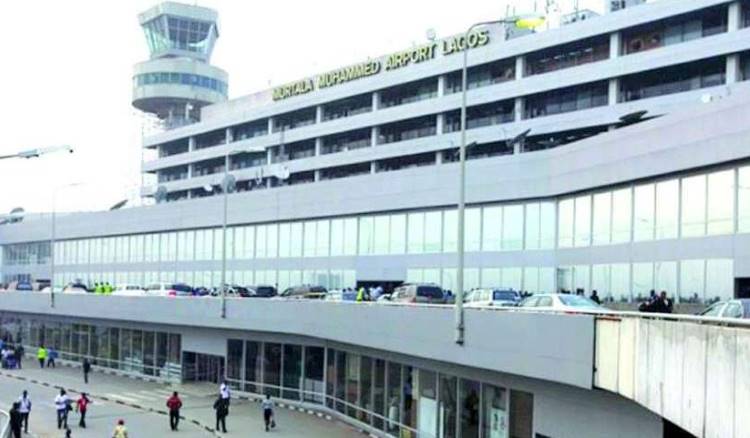
Murtala Muhammed International Airport, Lagos.
Nnamdi Azikiwe International Airport, Abuja.
Mallam Aminu Kano International Airport, Kano.
Port Harcourt International Airport.
Akanu Ibiam International Airport, Enugu.
The minister disclosed that more than 18 million passengers travel through Nigeria’s airports annually, making effective disease surveillance at the country’s points of entry essential to national health security.
“Since COVID, we have known that there are significant vulnerabilities in terms of public health threats crossing borders and the need for coordinated, technology-driven systems for early warning, detection and response to infectious disease threats,” he said.
Under the concession arrangement, the private-sector partner will design, finance, build, operate and maintain the facilities throughout the 20-year period, while the Federal Government will provide policy, institutional and regulatory oversight.
Pate added that the assets would revert to the Federal Government at the end of the concession, in line with the agreement reviewed and endorsed by the Infrastructure Concession Regulatory Commission.
The project will incorporate wastewater surveillance for detecting pathogens associated with aircraft, air and surface sampling equipment, and technologies for monitoring cargo and baggage.
It will also feature modern laboratories to enable rapid diagnosis of infectious diseases at the points of entry.
The facilities will operate in coordination with the Nigeria Centre for Disease Control and Prevention (NCDC), Port Health Services, the Nigeria Customs Service, the Nigeria Immigration Service and the National Agency for Food and Drug Administration and Control (NAFDAC).

