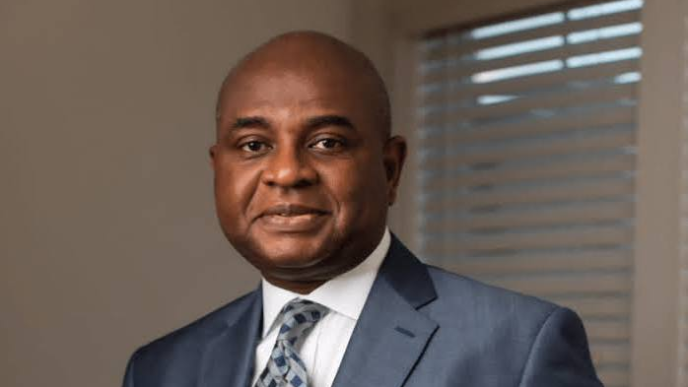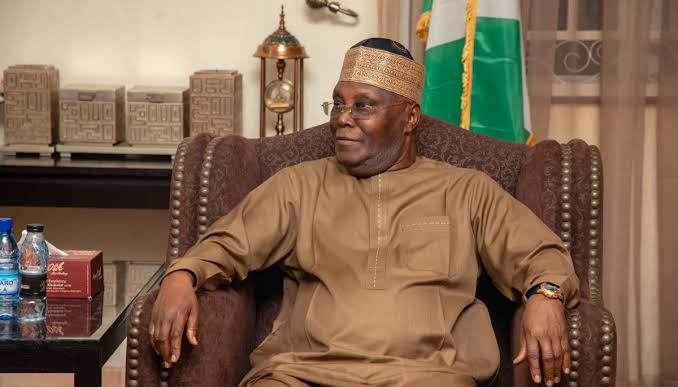


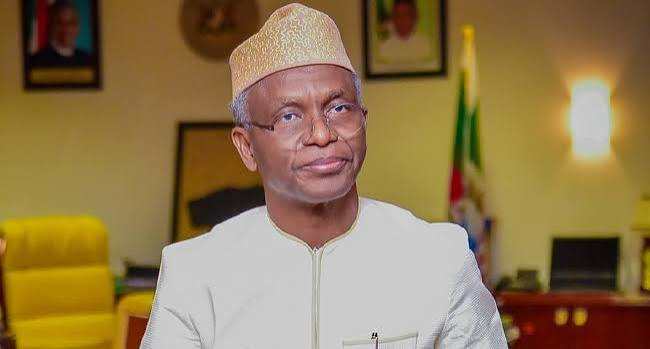
FORMER Kaduna State Governor, Nasir el-Rufai, says his ongoing legal battle has exposed the strength of some of his relationships, with the silence of certain friends and associates prompting him to reconsider some ties.
El-Rufai said he had taken note of people who were not publicly supportive of him despite his previous efforts to stand by them during difficult periods.
He made the comments in a statement posted on X, reflecting on what he described as lessons from the past few months.
“Adversity has a way of illuminating relationships,” he said.
The former governor said some of his colleagues, friends and family members had remained silent in his current circumstances, despite their previous association with him.
He said the experience could change how he views some relationships and what he expects from people who regard him as a role model.
READ ALSO: El-Rufai trial: NSA confirmed intercepted conversation was genuine, says witness
“What I learn in difficult times like the past few months may lead me, quietly and without regret, to reconsider the nature of certain relationships and what those that look up to me expect of them,” he said.
El-Rufai said he had supported people and causes because of his personal convictions, faith, upbringing and conscience, rather than in anticipation of receiving anything in return.
He said some of those decisions had come at a personal cost.
Related Articles
“I have no regrets about standing by people or for causes when I believed it was right to do so,” he said.
The former governor, however, said he would not condemn those who had chosen a different path when his own circumstances changed.
“I bear no resentment towards anyone who chooses not to do the same for me,” he added.
El-Rufai is facing charges over alleged money laundering and conversion of public property.
READ ALSO: El-Rufai alleges fresh plot to frame him, warns of coordinated smear campaign
He said he would not seek revenge or retribution over any perceived injustice, ingratitude or injury suffered during the period.
“Ultimate accountability belongs to Almighty Allah, and I leave that judgment to Him, in this world and in the Hereafter,” he said.
El-Rufai said the experience had instead reinforced his resolve to remain guided by his conscience and faith.
He added that people would ultimately have to live with the consequences of their decisions, while posterity would determine how those choices were remembered.