

THE International Monetary Fund (IMF) has warned Nigeria against reinstating broad petrol subsidies, saying the policy could worsen the country’s fiscal pressures while disproportionately benefiting wealthier households.
Instead, the Fund has urged the Nigerian government to channel relief towards vulnerable Nigerians through targeted interventions such as transport assistance, school feeding programmes and support for low-income farmers.
Director of the IMF’s Fiscal Affairs Department, Rodrigo Valdés, gave the advice on Wednesday during a briefing on the Fund’s Fiscal Monitor at the 2026 IMF and World Bank annual meetings in Bangkok, Thailand.
His comments come as rising global energy prices put pressure on fuel costs, transportation fares and household budgets in Nigeria, prompting calls for the government to reconsider petrol subsidy removal ahead of the next election cycle.
“Protecting people is not the same as protecting the price of fuels,” Valdés said, arguing that governments should cushion the impact of higher energy costs without suppressing prices across the board.
According to him, fuel subsidies and other measures that prevent energy prices from adjusting fully to supply shocks cost countries between 1 and 1.5 percent of gross domestic product in 2026.
He said such interventions were not only expensive but could also benefit higher-income consumers more than poorer households because people who consume more fuel generally receive a larger share of the subsidy.
READ ALSO: Atiku and Obi: Why restoring petrol subsidy could put more pressure on Nigeria’s finances
IMF favours targeted support over blanket subsidies
Valdés said governments should rely on social safety nets and household data to identify people who need assistance, rather than subsidising petrol prices for every consumer.
Division Chief in the IMF’s Fiscal Affairs Department, Davide Furceri, said governments could redirect part of the money spent on universal fuel subsidies towards interventions that directly address the effects of higher energy costs on vulnerable households.
Related Articles
He suggested subsidising public transport fares instead of petrol prices, noting that rising fuel costs often feed into the cost of moving people and goods.
Other options include school feeding programmes, geographically targeted assistance and support for vulnerable farmers facing higher operating and transportation costs.
Furceri acknowledged that some countries lack comprehensive household registries and digital payment systems needed to identify beneficiaries and deliver assistance efficiently. He nevertheless argued that governments could adopt temporary measures while building stronger systems for targeted support.
He said such interventions should be limited, targeted and temporary to prevent relief programmes from becoming another source of long-term fiscal pressure.
READ ALSO: Otti: Reintroducing petrol subsidy would not serve Nigeria’s interest
FG introduces temporary petrol relief
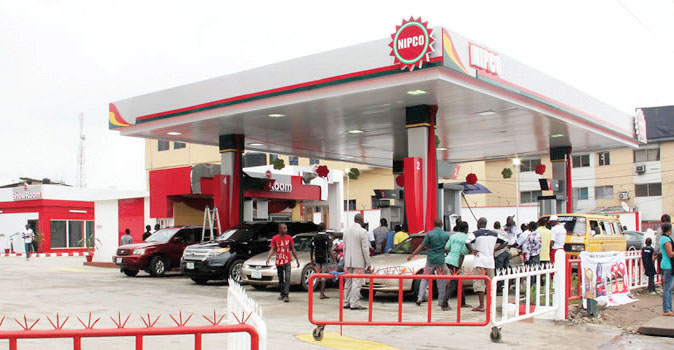
The IMF’s position comes as the Federal Government has announced a 30-day petrol discount at Nigerian National Petroleum Company Limited retail outlets to cushion the effect of rising fuel prices.
Finance Minister Taiwo Oyedele said NNPC retail would sell petrol at cost by foregoing its retail profit margin, with public transport operators given priority under the temporary arrangement.
The government has also proposed negotiating a ceiling of N1,350 per litre on petrol’s ex-gantry or landing cost, subject to monthly reviews.
The measures are intended to provide short-term relief without formally reversing the removal of the longstanding petrol subsidy.
However, the arrangements raise questions about how the cost of the discount will be absorbed, how much consumers will save and whether the benefits will reach low-income households most exposed to rising transport and living expenses.
Related Articles
The distinction between a temporary commercial discount and a government-funded subsidy will also matter for public finances, particularly if relief measures are extended or expanded.
Rising fuel costs put household budgets under pressure
Higher petrol prices can increase transportation fares and the cost of distributing food and other essential goods, placing additional pressure on households already struggling with the cost of living.
For businesses, more expensive fuel can raise logistics and production costs, potentially feeding into consumer prices and complicating efforts to contain inflation.
A blanket subsidy could temporarily reduce some of these pressures by lowering the price paid at filling stations. But the fiscal cost could rise sharply if global oil prices remain elevated or the government is required to compensate suppliers for the difference between market prices and regulated prices.
The IMF’s argument is that governments can achieve better results by directing assistance towards the people most affected, rather than spending public resources to lower prices for all consumers, including those who can afford to pay more.
For Nigeria, however, the effectiveness of targeted relief would depend on the government’s ability to identify eligible households, prevent diversion of funds and deliver support promptly.
Subsidy debate puts fiscal discipline against social protection
The debate presents the government with a difficult choice between allowing fuel prices to reflect market conditions and limiting the immediate burden on households and businesses.
Restoring a broad subsidy could provide visible short-term relief, but it could also increase public spending and reduce the resources available for infrastructure, healthcare, education and other priorities.
Targeted assistance could limit the fiscal cost while protecting vulnerable groups, although gaps in beneficiary data, administrative capacity and payment systems could prevent support from reaching everyone who needs it.
The IMF’s recommendation is therefore not to leave households exposed to higher energy costs, but to separate social protection from the pricing of petrol itself.
Related Articles
The challenge for Nigeria will be to ensure that temporary relief measures remain affordable, transparent and effective without recreating the financial burden associated with universal fuel subsidies.
Targeted relief
Meanwhile, Centre for the Promotion of Private Enterprise (CPPE) said the Federal Government’s latest fuel price relief initiative through the Nigerian National Petroleum Company Limited (NNPC) should not be interpreted as a reversal of petrol subsidy removal, describing it as a temporary response to rising global oil prices.
The organisation said the intervention was intended to cushion households and businesses against an extraordinary energy price shock triggered by geopolitical tensions that have pushed crude oil prices above $100 per barrel.