


THE exit and retrenchment of some international banks from African markets is opening new opportunities for regional lenders to expand across trade finance, correspondent banking and cross-border transactions.
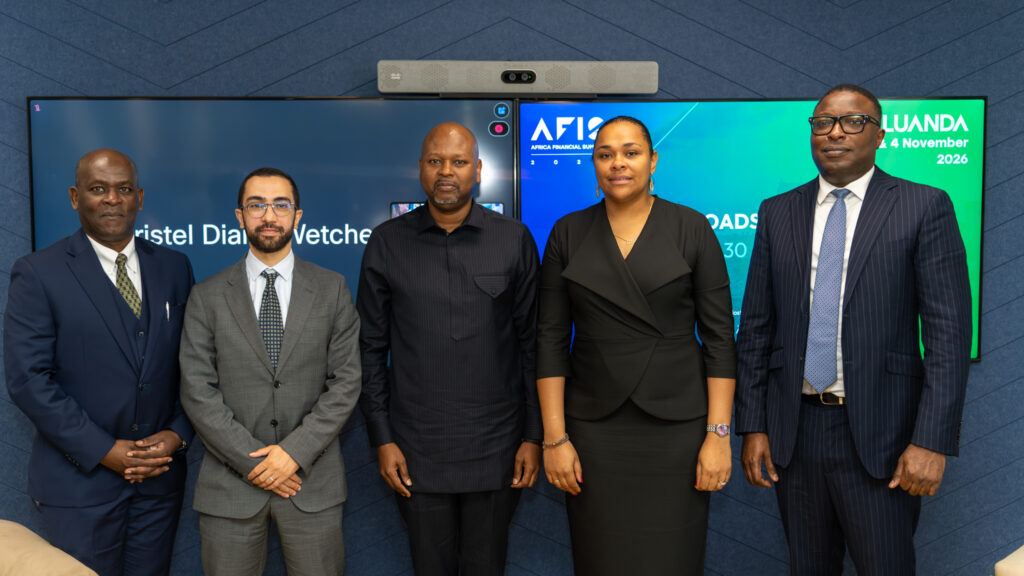
This was one of the key issues raised by the International Finance Corporation (IFC) and Access Bank ahead of the Africa Financial Summit (AFIS) 2026 in Luanda, Angola.
IFC Principal Investment Officer, Dafe Oraka, said the changing presence of international and European lenders had created gaps that African banks could increasingly fill.
According to him, the reduced participation of some global banks in African markets has particularly affected correspondent banking and trade finance services, areas that are critical to the expansion of intra-African commerce.
He said African banks with established operations across multiple countries were better positioned to take advantage of the changing landscape by providing financial links between businesses and markets.
For Nigerian banks, Oraka said the development presents an opportunity to demonstrate their capacity to support businesses beyond Nigeria and deepen financial integration across the continent.
READ ALSO: IFC to send team to Nigeria for investments in housing, livestock, energy
Access Bank, which now operates across about 18 African markets, is among the Nigerian banking groups that have pursued regional expansion.
Group Head of Financial Markets and Funding at Access Bank, Ms Elizabeth Oguegbu, said local and regional lenders have an advantage because of their understanding of the complexities of African markets.
Drawing on her experience at Standard Chartered, she said international banks had become less competitive in certain African markets, creating room for indigenous institutions to strengthen their presence.
Related Articles
She said African banks could use their knowledge of local markets to structure transactions and develop relationships that may be difficult for international lenders to replicate.
“Most times, it’s not about the nature of the transaction. It’s about what you can do? Which partners can you work with?” she said.
The shift comes at a time when Africa continues to face significant financing needs, particularly in infrastructure and small and medium-sized businesses.
Oraka said the continent has substantial pools of capital but needs more effective mechanisms to connect those funds with viable businesses and productive investments.
He also pointed to local currency financing as an increasingly important tool amid foreign exchange volatility. He cited the IFC’s local currency borrowing framework with Access Bank, signed in May, which is designed to facilitate local currency funding across the bank’s operating markets and provide longer-term financing to SMEs and businesses.
Beyond trade finance, Access Bank believes African lenders can also take a bigger role in large corporate and sovereign transactions.
Oguegbu said regional banks could organise syndications among African institutions and other investors, reducing dependence on international lenders for major transactions.
She cited syndications of up to $6 billion as evidence of the scale that can be achieved through cooperation among financial institutions.
However, she said commercial banks would need to work more closely with pension funds, development finance institutions and other institutional investors to finance projects that require long-term capital.
Infrastructure remains particularly difficult because commercial banks typically rely on funding structures suited to shorter-term transactions, while greenfield projects often require long tenors before generating predictable cash flows.
Related Articles
The retreat of international lenders therefore presents both an opportunity and a challenge for African banks. Experts say local lenders have more room to expand, but must also develop the capital, risk-sharing structures and partnerships needed to replace some of the financing capacity previously provided by global institutions.
The issue is expected to feature prominently at AFIS 2026, scheduled for November 3 and 4 in Luanda, where financial sector leaders are expected to examine how African institutions can mobilise more domestic and international capital to finance the continent’s growth.