

THE Central Bank of Nigeria (CBN) is seeking greater private sector investment in agriculture as questions persist over the recovery and accountability of hundreds of billions of naira committed to previous government-backed agricultural financing programmes.
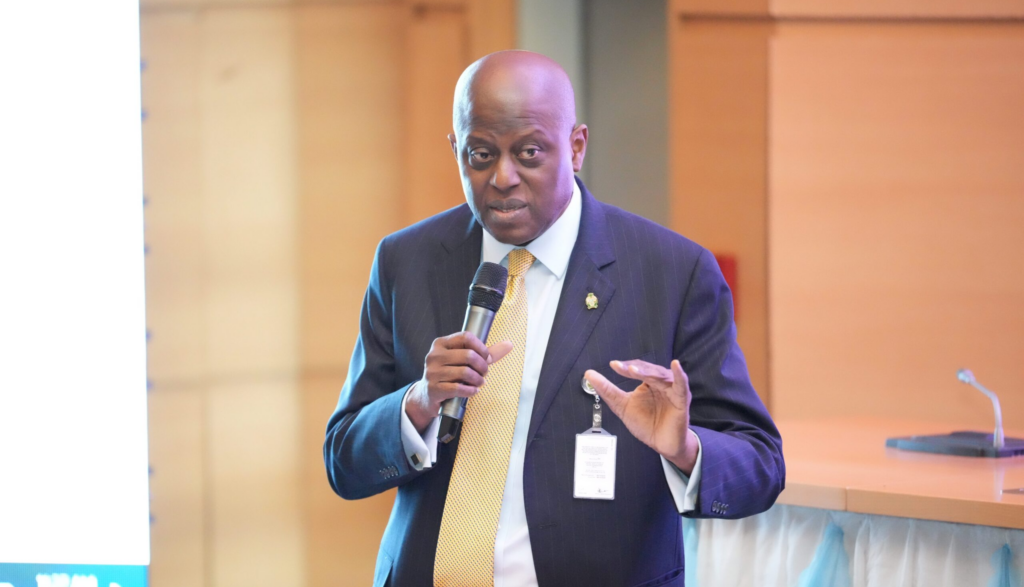
CBN Governor, Olayemi Cardoso, said public resources alone could not meet Nigeria’s agricultural financing needs, urging stakeholders to develop credit guarantee arrangements that would attract commercial and development finance into the sector.
However, the call for additional private capital comes against the backdrop of outstanding loans under the Anchor Borrowers’ Programme (ABP), including N629.04 billion that the Auditor-General reported as unrecovered as of December 2022.
The audit findings raise questions about the management of public agricultural financing and the extent to which previous interventions achieved their objectives of increasing farm production and improving food security.
Cardoso made the remarks on Tuesday in his keynote address at the National Stakeholder Roundtable on Strengthening Agricultural Credit Guarantees in Abuja. He was represented by Deputy Governor in charge of Financial System Stability.
READ ALSO: How unpaid N4.69trn interventions hinder fresh CBN support for farmers
“The scale of Nigeria’s agricultural financing needs cannot be met by public resources alone. Guarantee mechanisms must therefore be designed to achieve additionality, using public resources strategically to unlock substantially greater volumes of commercial and development finance,” he said.
The governor said the CBN was repositioning its development finance activities towards market-based lending, greater private-sector participation and sustainable risk-sharing arrangements.
He argued that public institutions should concentrate on addressing market failures and structural constraints, while lending decisions should be based on viable economic activities and sound credit assessments.
“Our objective should be to crowd private capital in, not crowd it out,” Cardoso said.
Related Articles
But the challenge of attracting private capital also raises questions about confidence in the management of previous public interventions.
A report by the Auditor-General of the Federation, published in 2025, found that N629.04 billion disbursed under the Anchor Borrowers’ Programme remained unrecovered as of December 31, 2022.
READ ALSO: CBN bars banks from extending services to non-performing large borrowers
The outstanding balance had declined from N949.18 billion in 2021, but auditors said the CBN had not provided adequate information on beneficiaries, recoveries and the programme’s impact.
The auditors also questioned the CBN’s recovery efforts and identified weaknesses in the programme’s internal control arrangements. They recommended that the outstanding funds be recovered and remitted to the Federal Government.
READ ALSO: CBN OMO auctions buoy naira despite $1.14bn reserves decline
The CBN, however, defended the programme, attributing some outstanding loans to repayment extensions granted following flooding and the economic disruptions caused by the COVID-19 pandemic. It also said some loans had undergone restructuring.
In a separate 2023 audit finding, the Auditor-General flagged N262.86 billion disbursed under the Anchor Borrowers’ Programme, raising concerns about funds remaining with programme anchors and the absence of adequate beneficiary and utilisation records.
The audit findings do not establish that the entire outstanding amounts were stolen. However, they underline the need for stronger disclosure, monitoring and recovery mechanisms before additional public resources are committed to agricultural credit guarantees.
Related Articles