



NIGERIA’S inflation rate dropped to 14.63 percent in September 2026, extending the slowdown in consumer price increases to four consecutive months as falling food prices helped ease overall inflationary pressure.
The latest figure, released by the National Bureau of Statistics (NBS), represents a decline from 15.39 percent in August and a sharper reduction from 20.98 percent recorded in September 2025.
On a month-on-month basis, headline inflation fell to 0.06 percent in September from 0.71 percent in August, indicating that average prices increased at a much slower pace during the month.
The moderation was largely supported by falling food prices, although the increase in core inflation on a monthly basis suggests that pressure on other consumer goods and services has not disappeared.
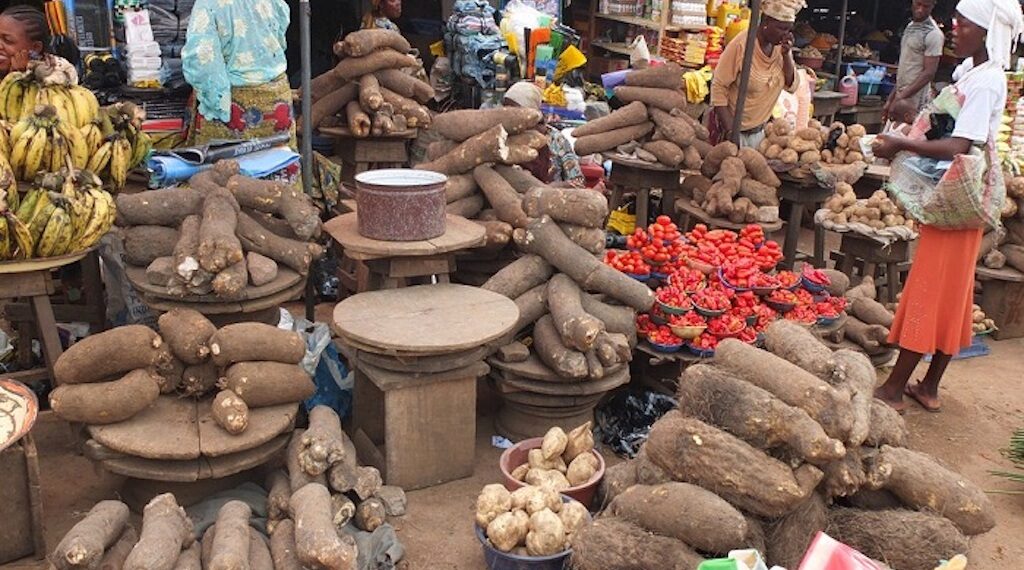
Food inflation fell to 19.59 percent year-on-year in September, compared with 20.16 percent in the corresponding period of 2025. On a monthly basis, food prices declined by 1.55 percent, reversing the 1.02 percent increase recorded in August.
The NBS attributed the monthly movement to price changes in items including grains, rice, eggs, onions, palm oil, vegetables, potatoes, plantain and tomatoes.
READ ALSO: CBN cuts interest rate to 23% as inflation eases
The average annual food inflation rate for the 12 months ending September stood at 15.72 percent, down from 28.37 percent a year earlier.
The decline in food prices is significant for Nigerian households because food accounts for a substantial share of consumer spending, particularly among low-income families.
However, the lower inflation rate does not mean that food and other essential items have returned to their previous prices. It indicates that prices are rising more slowly overall, while the monthly decline in food prices suggests that some items became cheaper during the period.
Related Articles
Core inflation rises despite overall slowdown
Core inflation, which excludes volatile agricultural produce and energy prices, increased on a month-on-month basis, pointing to continuing price pressures outside the food category.
The measure stood at 12.95 percent year-on-year in September, down from 22.11 percent in September 2025.
READ ALSO: CardinalStone revises Nigeria’s 2026 growth to 4.2% on high inflation, interest rate
However, core inflation rose to 1.11 percent month-on-month from -0.06 percent in August, suggesting that prices of goods and services covered by the measure resumed increasing after recording a slight decline in the previous month.
The average annual core inflation rate for the 12 months ending September was 16.54 percent, compared with 25.68 percent a year earlier.
The divergent movements between food and core inflation show that the latest moderation in headline inflation has not been uniform across the economy.
Urban and rural price movements differ
The NBS data also showed different monthly inflation trends between urban and rural areas.
Urban inflation stood at 15.64 percent year-on-year in September, compared with 28.48 percent a year earlier. However, the monthly rate accelerated to 0.53 percent from 0.28 percent in August.
READ ALSO: How Tinubu has managed inflation, growth, foreign investment in 3 years
Rural inflation was 12.46 percent year-on-year, down from 25.67 percent in September 2025. On a monthly basis, rural inflation fell to -0.89 percent from 1.79 percent in August.
The figures indicate that prices continued to rise more quickly in urban areas than in rural communities on an annual basis, while rural areas experienced a monthly decline.
The contrasting movements may reflect differences in consumption patterns, food availability and the prices of goods and services across the two areas.
Naira gains ahead of inflation release
The inflation report followed a strengthening of the naira at the Nigerian Foreign Exchange Market, where the currency traded at N1,333 per dollar on October 14, according to previous market reports.
Exchange-rate movements are important to Nigeria’s inflation outlook because changes in the cost of foreign currency can affect the domestic prices of imported goods, raw materials, machinery and other production inputs.
The sustained decline in headline inflation provides a measure of relief after the elevated price increases recorded in 2025. However, the rise in monthly core inflation indicates that underlying cost pressures remain a concern.
For households and businesses, the key test will be whether the moderation in inflation translates into more stable food prices, lower production costs and improved purchasing power in the months ahead.