

THE Federal Government has outlined 10 interventions to reduce the economic burden of rising petrol prices on households, transport operators and businesses, including a proposed N1,350-per-litre ceiling on petrol landing costs and a 30-day discount at Nigerian National Petroleum Company Limited (NNPC) station.
This is as the 2027 general elections draw closer, beginning in January 2027.
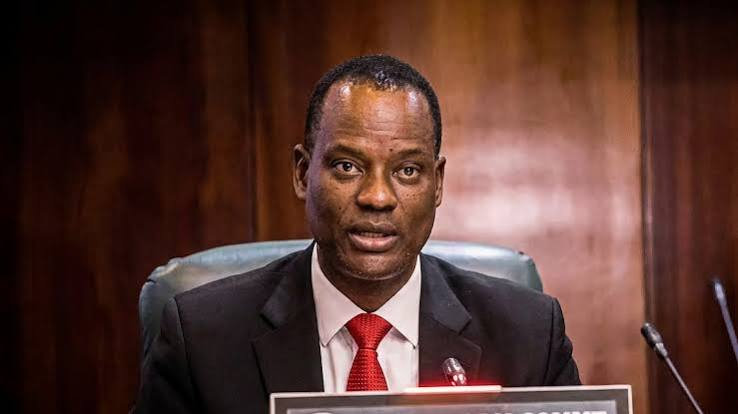
Minister of Finance and Coordinating Minister of the Economy, Mr Taiwo Oyedele, announced the measures on Thursday during a press briefing in Abuja on rising fuel prices and the government’s position on subsidy.
The interventions include expanding crude oil supplies to domestic refineries, increasing cash transfers to vulnerable households, accelerating the adoption of compressed natural gas vehicles and establishing a strategic fuel reserve to guard against supply disruptions.
The government said the package was intended to moderate price volatility and provide targeted relief without restoring a blanket petrol subsidy.
Under the first measure, the government will offer a discount on petrol sold at NNPC stations for 30 days, with priority given to public transport operators nationwide. Oyedele said the arrangement would allow petrol to be sold at cost during the period, rather than reintroducing the general subsidy regime.
The government also plans to expand forward crude oil sales to local refineries as domestic production increases. According to Oyedele, this would free up committed supplies and help reduce the exposure of local petrol prices to movements in international markets.
READ ALSO: FG begins 30-day petrol discount at NNPC stations
Another major intervention is a proposed ceiling of N1,350 per litre on petrol’s ex-gantry or landing cost. Under the arrangement being negotiated, refiners and importers would absorb costs above the ceiling and recover the difference when crude oil prices or the exchange rate become more favourable.
Oyedele said the framework was intended to smooth out price movements rather than impose permanent price controls. The proposed ceiling would be reviewed monthly, with adjustments made where necessary and the figures published for transparency.
The government also plans to work with state governments to eliminate illegal road taxes and levies that increase the cost of moving goods and services. The initiative would be pursued under the 2025 tax reform laws. For households facing higher living costs, the government intends to expand cash transfers to vulnerable Nigerians and provide subsidised credit to small businesses and consumers.
It will also accelerate the deployment of compressed natural gas vehicles, with federal and state governments expected to support the rollout. Transport operators would be encouraged to pass the cost savings from switching to CNG on to passengers.
In another intervention, the government is considering an excess profit tax on businesses found to be exploiting the situation to make undue gains across the energy value chain.
Oyedele said proceeds from the proposed tax would be used exclusively to cushion the impact of higher petrol prices, including through transport support or vouchers for urban minimum wage earners.The government also intends to work with the National Assembly to introduce enhanced tax relief for low-income earners through the 2027 Finance Bill.
Other planned measures include reducing unnecessary regulatory requirements that increase business costs and establishing a National Strategic Fuel Reserve. Under the proposed reserve system, refined petroleum products would be released into the market under published rules when global disruptions or hoarding threaten supply and price stability.
Oyedele said the reserve would help prevent artificial scarcity, discourage market manipulation and improve long-term energy security without fixing prices or restoring subsidies.
READ ALSO: FG proposes N1,350 petrol cost ceiling to curb price shocks
The final intervention focuses on traffic and logistics. The government plans to improve urban traffic management to reduce fuel consumption and transportation costs, while using NIPOST address codes to make logistics operations more efficient.The measures come as rising international crude oil and refined-product prices put renewed pressure on petrol costs and household spending.
However, the effectiveness of the proposed interventions will depend on how quickly they are implemented, how their costs are financed and whether the benefits reach consumers.The proposed N1,350 ceiling, in particular, will require a workable mechanism for managing the difference between actual supply costs and the agreed threshold.
READ ALSO: Atiku and Obi: Why restoring petrol subsidy could put more pressure on Nigeria’s finances
The government will also need to ensure that discounts, cash transfers and transport support translate into lower costs for households and businesses.Oyedele maintained that the administration would not return to a blanket subsidy, arguing that targeted interventions would provide relief without exposing public finances to the longer-term costs of a general subsidy regime.
Political observers say the moves by the Bola Tinubu-led government are intended to woo the electorate to vote for him and candidates of his political party, the All Progressives Congress (APC). President Tinubu is gunning for his second tenure as president