

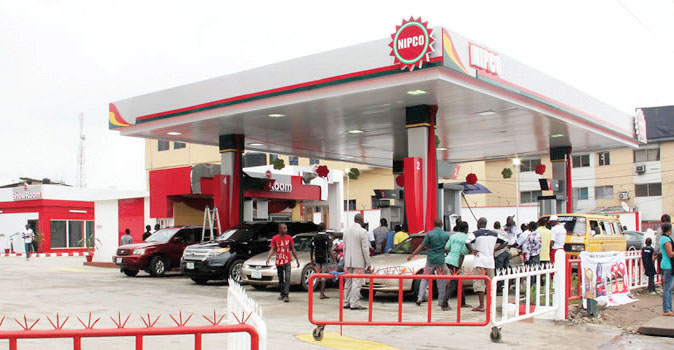
THE Federal Government is working on a mechanism that could limit the landing or ex-gantry cost of petrol to N1,350 per litre as part of efforts to reduce sharp swings in pump prices.
Minister of Finance and Coordinating Minister of the Economy, Mr Taiwo Oyedele, disclosed this on Thursday in Abuja, saying the proposed arrangement would allow petrol prices to respond more gradually to movements in global crude prices and the naira exchange rate.
Under the plan, the government would review the ceiling monthly and adjust it when necessary, with the revised figures expected to be published to improve transparency.
Oyedele said the proposed framework is intended to smooth price movements rather than permanently suppress the cost of petrol.
Where the underlying cost of petrol rises above the agreed ceiling, refiners and importers would absorb the difference temporarily and recover it when market conditions improve, according to the minister.
READ ALSO: Atiku and Obi: Why restoring petrol subsidy could put more pressure on Nigeria’s finances
He argued that reducing volatility could be more beneficial to households and businesses than allowing pump prices to rise and fall sharply with every movement in international crude prices or the exchange rate.
The proposed mechanism comes against the backdrop of Nigeria’s deregulated petrol market, where domestic pump prices have increasingly reflected changes in crude oil prices, refining costs, foreign exchange (FX) conditions and supply dynamics.
Oyedele also announced plans to establish a national strategic fuel reserve that would hold refined petroleum products for release during periods of global supply disruption, artificial scarcity or market manipulation.
He said the reserve would operate under clear and published rules and would be used to protect supply and limit sudden price shocks without returning the country to a petrol subsidy regime.
According to the minister, the government’s objective is to ensure that deregulation produces more predictable market outcomes while preventing disruptions from translating into excessive price increases.
READ ALSO: CPPE: Rising petrol imports threaten Nigeria’s refining drive
The government is also accelerating the rollout of compressed natural gas as an alternative fuel for transportation.
Oyedele said the Federal Government would work with state governments to expand CNG deployment, with transport operators expected to pass lower fuel costs on to commuters through reduced fares.
Beyond fuel supply interventions, the government is considering an excess-profit tax for companies across the energy value chain that are found to be taking undue advantage of consumers.
Oyedele said proceeds from such a measure would be directed towards measures to cushion the effect of fuel prices, including transport support and vouchers for vulnerable urban minimum-wage earners.
The government also plans to work with the National Assembly on additional tax relief for low-income earners under the proposed 2027 Finance Bill.
Taken together, the measures represent an attempt by the government to manage the impact of fuel price volatility without formally restoring the petrol subsidy regime abolished in 2023.
The proposed N1,350 ceiling, however, will depend on how the cost-sharing arrangement between refiners, importers and other market participants is implemented and how frequently the benchmark is adjusted as crude prices and FX conditions change.