

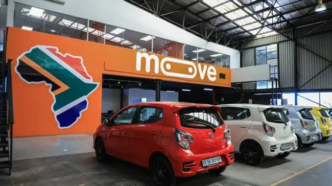
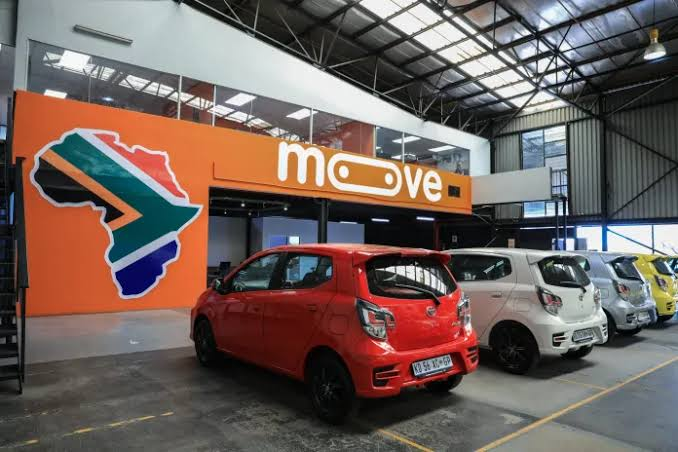
MOBILITY financing company Moove is withdrawing from the Nigerian market after 6 years, with the firm set to transfer vehicles valued at about N35 billion to eligible customers at no additional cost.
The Lagos-founded company announced the decision on Thursday, saying customers who qualify for the transfer will take full ownership of their vehicles from October 1, 2026.
The company will also give vehicles to its Nigerian employees as part of its exit arrangements.
Moove said more than 9,000 customers have used its rental and Drive-To-Own products since it commenced operations in Nigeria in 2020.
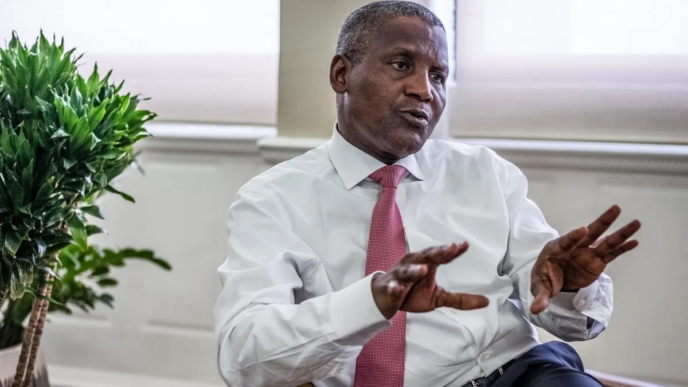
Through vehicles financed by the company, those customers generated approximately N57 billion in revenue, according to Moove’s Co-founder and Advisory Board Chairman, Ladi Delano.
ALSO READ: Uber slashes 3,000 jobs as Nigeria, Uganda operations end
The transfer of the vehicles effectively brings an end to Moove’s vehicle-financing model in the country, under which mobility entrepreneurs were provided access to vehicles that they could eventually own.
Delano said Nigeria was the starting point for Moove and that its first customers played a significant role in enabling the company to expand internationally.
“Eligible vehicles worth approximately N35 billion will pass into full ownership of the customers who operate them, with no further payment to Moove required for the vehicles themselves,” he said.
Moove began operations with 76 vehicles in Lagos before expanding its model beyond Nigeria.
The company said its business has since grown to about 42,000 vehicles operating across 29 cities globally.
Its Nigerian exit comes shortly after Uber discontinued its operations in the country, adding to recent developments involving major international mobility companies operating in Nigeria.
Uber had also backed Moove’s expansion, leading a $100 million Series B funding round for the company in 2024. The investment round valued Moove at $750 million.
Moove was founded by Delano and Jide Odunsi in 2020 to address the difficulty faced by mobility entrepreneurs in accessing vehicle financing.
The company’s Drive-To-Own model was designed to allow drivers and other mobility operators to earn income while working towards vehicle ownership.
Delano described the decision to reward Nigerians as a way of recognising the role played by the country’s customers and employees in building the company.
He said the company would continue its international expansion while retaining its Nigerian roots.
The withdrawal marks a major shift for a company that used Nigeria as the launchpad for an international mobility-financing business and highlights the changing landscape for technology-enabled transportation and vehicle-financing businesses in the country.