


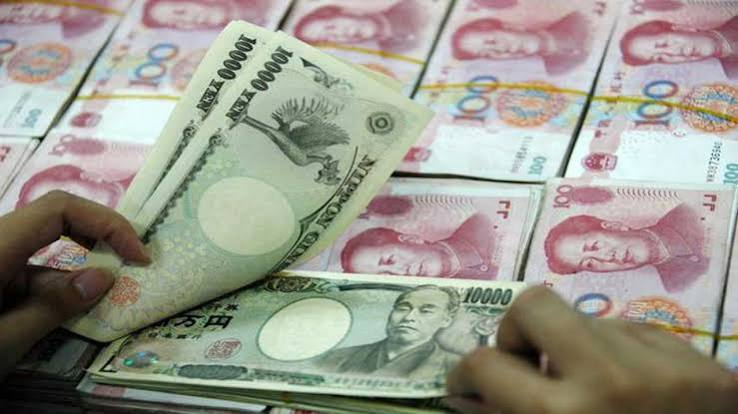
GHANANIAN importers are gaining a new route to pay Chinese suppliers without first obtaining US dollars, as the country moves to deepen direct trade settlement in the Chinese yuan.
Stanbic Bank Ghana has begun allowing eligible customers to initiate yuan payments from their cedi accounts through China’s Cross-Border Interbank Payment System, known as CIPS.
The arrangement means a Ghanaian importer can provide cedis to the bank while the Chinese supplier receives yuan, removing the need for the dollar to serve as an intermediary currency in eligible transactions.
Governor of the Bank of Ghana, Johnson Asiama, announced the development at the central bank’s latest Monetary Policy Committee briefing.
He said businesses importing qualifying goods from China could approach Stanbic with cedis and use the bank’s yuan settlement facility.
The development could reduce one source of dollar demand in Ghana, particularly among businesses that conduct frequent transactions with Chinese suppliers.
READ ALSO: China considers bailout measures as airlines reel from fuel shock
China trade drives currency shift
China is a major trading partner for many African economies, making payment systems an important part of the continent’s efforts to reduce exposure to the dollar.
For importers, using the local currency to fund a yuan transaction can simplify the payment chain by removing an additional currency conversion.
Stanbic’s Chief Executive Officer, Mr Kwamina Asomaning, said the CIPS connection gives customers a more direct route to Chinese counterparties and reduces dependence on US correspondent banks and other intermediaries.
However, the facility does not guarantee cheaper imports.
Importers will still be exposed to the exchange rate applied by their banks, transaction charges, financing costs and other expenses connected to international trade.
The dollar also remains an important part of Ghana’s financial system. Stanbic said the yuan channel is an additional option and does not replace SWIFT or other established international payment systems.
READ ALSO: China orders private refiners to sustain fuel output despite losses
Ghana plans wider access
Stanbic became the first bank in Ghana to offer customers direct access to CIPS after obtaining approval from the Bank of Ghana.
The service was introduced in August, with eligible transactions submitted with complete documentation by 2 p.m. GMT capable of being processed for settlement on the next business day.
The Bank of Ghana expects other lenders to enter the market.
Asiama said Ghana Commercial Bank was developing a similar service, potentially widening access to yuan payments for Ghanaian businesses.
Greater bank participation could also create more competition in the pricing of yuan transactions.
READ ALSO: China’s govt-owned refinery to cut crude processing rates but Nigeria’s plants stay shut
Nigeria has a head start but faces utilisation problem
Ghana’s latest move draws attention to Nigeria’s own attempt to promote direct yuan settlement.
The Central Bank of Nigeria (CBN) and the People’s Bank of China established a 15 billion yuan currency swap arrangement in 2018 to provide yuan liquidity to Nigerian banks and support trade between the two countries.
The agreement was subsequently renewed, including a three-year extension in 2024.
The facility was intended to help Nigerian importers settle eligible transactions with Chinese suppliers without relying entirely on the dollar.
But utilisation has remained below expectations.
In March 2026, the Federal Government said it was seeking to expand the arrangement to as much as $10 billion.In 2024, the policy was renewed.
Ghana’s approach highlights the importance of moving beyond currency-swap agreements to practical banking services that businesses can easily access.
For Nigeria, the challenge is no longer simply securing yuan liquidity from China but ensuring banks provide efficient yuan payment channels, businesses understand how to use them and transaction costs are competitive with dollar-based settlements.
If such systems spread across Africa, the dollar may gradually lose some of its role as the currency through which African businesses settle trade with China, even though it will remain central to global payments.