

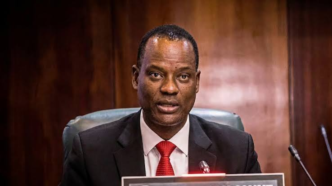
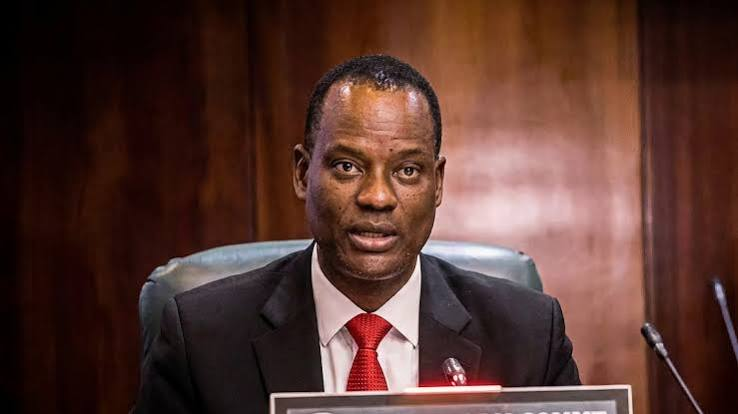
FINANCE Minister, Taiwo Oyedele, has defended the Federal Government’s proposed $21.7 billion external borrowing programme, arguing that the loans are intended to finance infrastructure and other productive investments rather than merely increase Nigeria’s debt burden.
Oyedele spoke on Wednesday after the Federal Executive Council (FEC) meeting at the Presidential Villa in Abuja, following criticism of the borrowing request by former Vice-President Atiku Abubakar.
President Bola Tinubu had asked the National Assembly to approve $20.52 billion and €1.04 billion in external loans to fund projects and programmes across key sectors of the economy.
The proposed financing covers transportation, agriculture, healthcare, education, water supply, security, employment generation and public financial management reforms.
Defending the plan, Oyedele said the economic value of the projects and their potential returns should guide assessments of the borrowing, rather than the size of the loans alone.
READ ALSO: Oyedele says FG spent twice subsidy savings on wage increases
“This is investment, not borrowing,” the minister said.
However, Atiku has urged the National Assembly to reject the request, questioning the timing, transparency and intended use of the funds.
The African Democratic Congress (ADC) presidential candidate argued that the government had not provided sufficient details about the proposed projects, including their locations, costs and contractors, to allow Nigerians to scrutinise the expenditure.
He also raised concerns about the possibility of political considerations influencing project selection and contract awards, citing reports of changes to the proposed Lagos-Calabar Highway route.
Related Articles
Atiku said the borrowing request reinforced his earlier warning that the administration could seek to raise about $20 billion for the coastal highway and other projects.
Under the proposed financing programme, transportation infrastructure accounts for approximately $10.6 billion, covering major projects including the Sokoto-Badagry and Lagos-Calabar highways and the Kano-Kaduna railway.
Oyedele said the government was pursuing financing from multilateral and bilateral development institutions, including the World Bank, alongside other funding sources.
READ ALSO: Oyedele pushes NNPC, NLNG listings to grow market to $1trn
About $7.9 billion is expected from multilateral and bilateral partners, according to the minister.
He disclosed that a $5 billion component from the World Bank would attract concessional financing at an average interest rate of about 2.1 percent, while some loans for social-sector projects would carry interest rates of around 2 percent.
The minister said the government was prioritising favourable financing terms to contain borrowing costs and ensure that the projects generate long-term economic benefits.
READ ALSO: Oyedele: Nigerian govt won’t disclose spending details of $5bn Abu Dhabi facility
He also reiterated the administration’s target of reducing inflation to single digits by the end of 2027 or earlier.
The debate over the proposed loans comes as the government seeks to close infrastructure funding gaps while facing scrutiny over the sustainability and transparency of public borrowing.
Related Articles
Although concessional loans can reduce financing costs compared with more expensive commercial debt, their economic justification ultimately depends on whether the projects are properly selected, efficiently executed and capable of delivering benefits that outweigh their financial and repayment obligations.
The National Assembly’s consideration of the request is expected to place the proposed projects, financing terms and expected economic returns under scrutiny.