

THE Federal Government could spend about N465.7bn on transport allowances for public servants over six months, highlighting the potential fiscal cost of providing temporary relief to workers grappling with high commuting expenses and rising living costs.
The estimate is based on 1,108,800 employee records on the Integrated Personnel and Payroll Information System as of July 2026, with each eligible worker entitled to N70,000 monthly under an agreement reached between the government and organised labour.
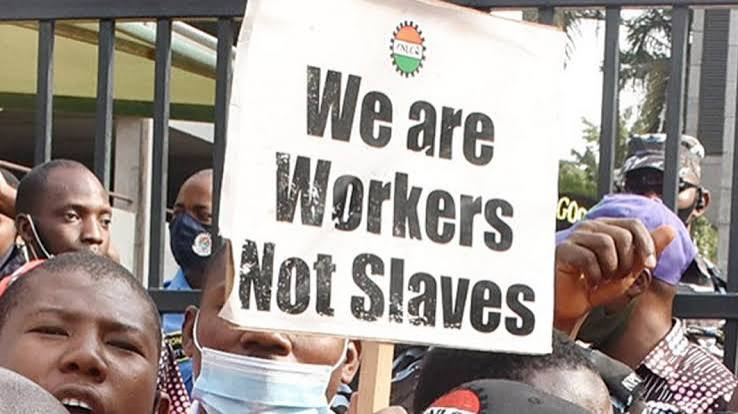
The government approved the allowance at a conciliation meeting with the Nigeria Labour Congress (NLC) in Abuja on Tuesday, with payments scheduled to begin in November and continue for six months.
Calculations show that paying N70,000 to all 1.1 million workers would cost approximately N77.6bn monthly, taking the total expenditure to N465.7bn over the six-month period.
However, the projected bill assumes that every employee record on the payroll system qualifies for the allowance. The actual expenditure will depend on the number of beneficiaries verified by the government and the final payment arrangements.
The intervention comes as workers face mounting transportation costs following increases in petrol prices, which have raised the cost of commuting and contributed to higher expenses for businesses and households.
READ ALSO: Tinubu: More Nigerians to get cheaper transport fares from October 1
Petrol prices at Nigerian National Petroleum Company Limited (NNPCL) retail outlets have risen to N1,369 per litre, adding to the pressure on workers who rely on private vehicles and commercial transport to get to work.
Although inflation has eased, the cost of living remains elevated. Data from the National Bureau of Statistics (NBS) showed that headline inflation declined to 14.63 percent in September from 15.39 percent in August, while food inflation stood at 19.59 percent year on year.
The World Bank’s latest Commodity Markets Outlook projects global energy prices to rise by 32 percent in 2026, reversing three consecutive years of declines, before moderating in 2027.
READ ALSO: Knocks as Tinubu allocates 57% of Ministry of Transport’s budget to Lagos State green rail project
The outlook also remains vulnerable to supply disruptions linked to geopolitical tensions and damage to energy infrastructure.
The projected N465.7bn expenditure therefore raises questions about how the government can balance immediate worker support with investments that could reduce transportation costs for a broader section of the population.
“While the allowance could help eligible workers cope with commuting expenses in the short term, its wider economic impact will depend on how it is funded and whether complementary policies can prevent transport costs from continuing to erode household incomes,” said an economist, Israel Chukwu.
The agreement with organised labour also includes the payment of outstanding peculiar allowance arrears from May 1, 2026, in three equal monthly instalments beginning in November.
READ ALSO: Money for the boys: How ‘agberos’ pocket billions of Lagos transport revenue
The parties, however, did not agree on the effective date for implementing the national minimum wage arrangements under discussion. They agreed to establish a minimum wage negotiation committee and commence meetings immediately.
The government also agreed to clear 19 months of outstanding allowances for health workers within three months from December. Meanwhile, the National Salaries, Incomes and Wages Commission will assess the cost implications of a proposed adjustment to the Consolidated Health Salary Structure.