

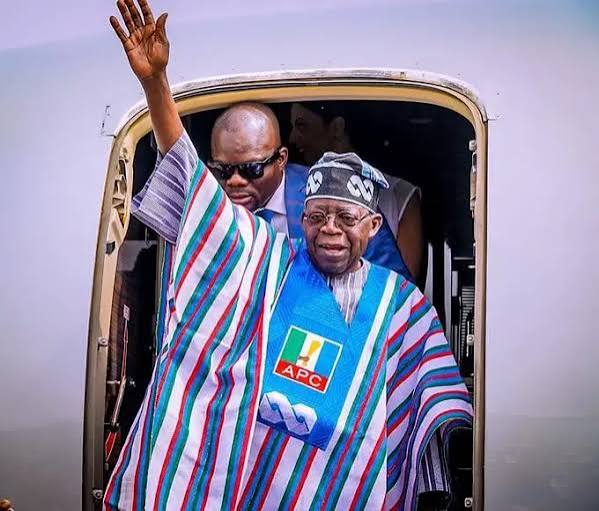
PRESIDENT President Bola Tinubu could secure another term in office in the 2027 presidential election despite widespread dissatisfaction over Nigeria’s economic difficulties and worsening insecurity, The Economist has reported.
In an analysis entitled “Nigerians Dislike Their President, But May Re-elect Him Anyway,” the British publication examined why public frustration with the administration may not necessarily translate into an electoral defeat for the incumbent.
The magazine identified several factors that could shape the contest, including Tinubu’s advantage as the incumbent, divisions within the opposition, religious and regional considerations, political apathy and low voter turnout in some parts of the country.
According to The Economist, the apparent confidence of the president is striking given the security and economic challenges confronting Nigerians.
The publication noted that banditry and insurgency continue to affect parts of the country, while the impact of Tinubu’s economic reforms remains difficult for many households to absorb.
It said the administration’s reforms have attracted positive attention from investors but have yet to produce corresponding improvements in living standards for many Nigerians.
READ ALSO: Onanuga to critics: You prepared reactions before Tinubu’s speech
Opposition division could benefit Tinubu
One of the key factors highlighted by the magazine is the failure of major opposition figures to unite behind a single presidential ticket.
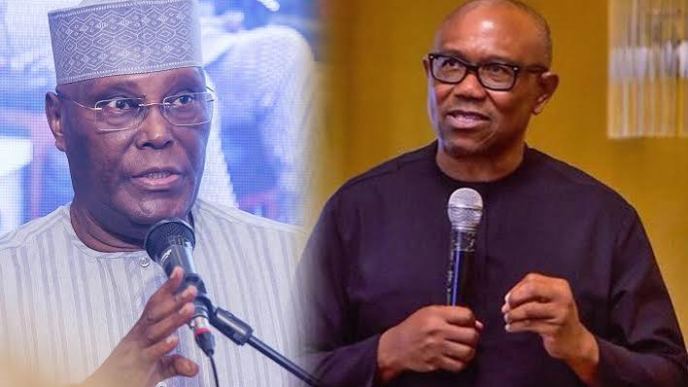
The Economist noted that former Vice-President Atiku Abubakar and former Anambra State Governor Peter Obi are running separately, potentially splitting voters seeking an alternative to the ruling All Progressives Congress (APC).
Joachim MacEbong of Control Risks was quoted as saying the absence of a united opposition means that the anti-APC vote is not concentrated behind one candidate.
Related Articles
The magazine also pointed to the strength of the ruling party’s political machinery and the advantages traditionally enjoyed by incumbents in Nigerian elections.
READ ALSO: Tinubu declares end of reform phase, unveils prosperity agenda for Nigerians
Religious and regional factors
Religion could also influence voting decisions, according to the publication. It noted that Tinubu and Vice-President Kashim Shettima are both Muslims, a factor that may resonate with some voters in northern Nigeria.
The magazine also examined the possible effect of Peter Obi’s Catholic faith on some voters, despite his Muslim running mate.
Regional loyalties were another factor identified by The Economist, including the possibility of support for Tinubu among voters in Lagos and other parts of the South because of his political roots in the region.
Low turnout could be decisive
The publication also highlighted voter participation as an important variable.
It cited Borno State, where turnout in the 2023 presidential election was below 20 percent, compared with about 27 percent nationwide.
The Economist argued that insecurity could discourage some voters from travelling to polling stations, meaning dissatisfaction with the government might not necessarily translate into votes against the incumbent.
Economic reforms remain central to Tinubu’s campaign
The magazine said Tinubu’s campaign is likely to continue emphasising the economic reforms introduced since he assumed office, including the removal of the petrol subsidy.
While acknowledging the hardship associated with the reforms, it pointed to falling inflation, higher government revenue and stronger investment as developments the administration can highlight.
Related Articles
The publication nevertheless noted that the benefits have not been evenly felt, particularly in communities facing insecurity and severe economic deprivation.
Opposition rejects the assessment
The African Democratic Congress (ADC), which is fielding Atiku Abubakar, rejected The Economist’s assessment.
The party said it agreed with the publication’s description of widespread dissatisfaction with Tinubu but disagreed that the president could convert that situation into victory.
The ADC argued that the cost-of-living crisis would have a greater influence on voters than religious or ethnic considerations.
The Nigeria Democratic Congress (NDC), associated with Peter Obi, also challenged the magazine’s conclusion and questioned the basis for suggesting that Tinubu could retain the presidency.
Presidency defends Tinubu’s record
Meanwhile, the presidency, meanwhile, defended the administration’s economic policies. Presidential spokesperson Bayo Onanuga pointed to Tinubu’s October 1 Independence Day address, in which the president argued that previous governments had postponed difficult economic decisions and allowed structural problems to worsen.
Tinubu has maintained that his reforms were introduced to address those longstanding economic distortions and put the country on a more sustainable growth path.
With the 2027 election approaching, The Economist’s assessment centres on the interaction between public dissatisfaction and Nigeria’s electoral structure, particularly incumbency, opposition fragmentation, voter turnout and regional and religious considerations.
Related Articles