

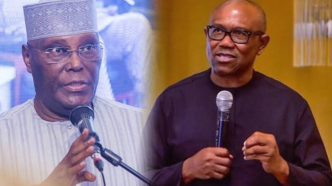
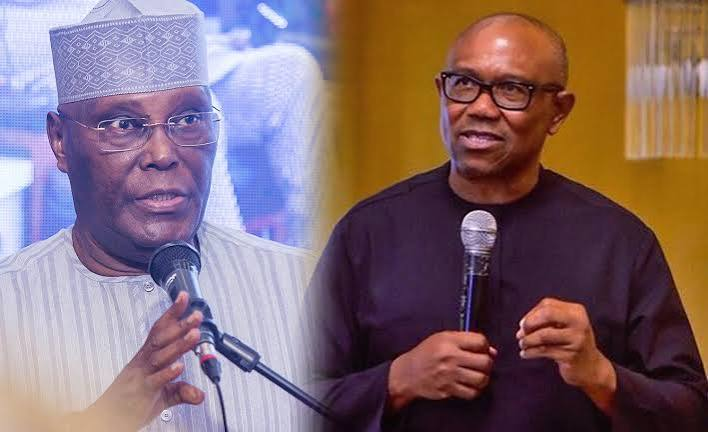
Calls by presidential candidates, Atiku Abubakar and Peter Obi, to restore petrol subsidy have renewed debate over how Nigeria would finance the policy and whether the country can sustain the cost without creating new pressure on public finances.
The African Democratic Congress (ADC) presidential candidate, Atiku, said in August that he would restore petrol subsidy if elected president in 2027.
The Nigeria Democratic Congress (NDC) candidate, Peter Obi, also said in September that he would consider bringing back the subsidy after tackling corruption and reducing leakages in government.
The proposals come more than three years after President Bola Tinubu announced the removal of the petrol subsidy, a policy that immediately changed the way the Federal Government supported fuel prices.
The central issue is funding
A petrol subsidy means the government absorbs part of the difference between the market cost of supplying petrol and the price paid by consumers.
If the cost of importing or producing petrol rises above the regulated pump price, government must provide the difference. This is what the subsidy is all about.
This creates a recurring financial obligation. The larger the gap between the market price and the regulated price, and the more petrol Nigerians consume, the greater the amount the government has to fund.
This was one of the major problems associated with Nigeria’s former subsidy system.
When Tinubu took office in 2023, the government was projected to spend about N18.4 billion every day on petrol subsidy, according to figures previously presented to the National Assembly by former Finance Minister, Ms Zainab Ahmed.
At that rate, the annual cost would amount to trillions of naira if maintained throughout the year.
Related Articles
READ ALSO: Otti: Reintroducing petrol subsidy would not serve Nigeria’s interest
Where would the money come from?
The question becomes particularly important because the Federal Government would have to identify a reliable source of funding for a renewed subsidy.
Nigeria’s oil sector remains a major source of government revenue, but using more oil sector earnings to subsidise petrol means less money is available for other public needs.
“The country already has competing demands for funds, including debt servicing, infrastructure, security, healthcare, education and social programmes,” said a former World Bank economist, Dr Dave Bright.
“A subsidy therefore does not eliminate the cost of petrol. Instead, it transfers part of that cost from consumers to the government,” he added.
“In periods of high international oil prices or a weaker naira, the amount required to maintain a fixed pump price can rise sharply.”
The exchange rate problem
Nigeria’s exposure to foreign exchange is another important consideration.
Although Nigeria produces crude oil, a lot of of its petrol supply was historically obtained through imports. Imported fuel is priced in dollars, meaning changes in the naira-dollar exchange rate can significantly affect the domestic cost of petrol.
A weaker naira makes imported products more expensive in local currency. If the government attempts to keep pump prices low despite those higher costs, the subsidy bill increases.
This was one reason the previous subsidy regime became increasingly expensive as exchange rate pressures and international petroleum prices changed.
Related Articles
READ ALSO: CPPE: Restoring petrol subsidy could cost Nigeria nearly N20trn annually
Subsidy can benefit consumers but create fiscal pressure
A subsidy can provide immediate relief to motorists and households by keeping petrol prices below their market-linked price.
That can also reduce some of the pressure on transport fares and the prices of goods and services, since petrol and transportation costs feed into the wider economy.
However, the government still has to finance the difference. This creates a trade-off: money spent supporting fuel prices cannot simultaneously be spent on other government priorities.
The debate is therefore not simply about whether cheaper petrol is desirable. It is also about whether the government can afford to maintain the subsidy over several years and what spending would have to be reduced, delayed or financed through additional borrowing to sustain it.
Impact on NNPC
The subsidy regime also placed financial pressure on the former Nigerian National Petroleum Corporation (NNPC).
The corporation was involved in crude oil sales and the supply of refined petroleum products while also carrying substantial obligations linked to the subsidy system.
The restructuring of NNPC into NNPC Limited was partly aimed at creating a more commercially oriented national oil company.
Supporters of subsidy removal argue that reducing the corporation’s subsidy-related obligations allows it to operate with greater financial discipline and meet obligations associated with oil production partnerships.
Nigeria’s production capacity remains another issue
The subsidy debate is also connected to Nigeria’s ability to produce more crude oil.
Nigeria has substantial oil reserves and significant potential to increase production, but output has been constrained by factors including ageing infrastructure, crude theft, pipeline vandalism, underinvestment and difficulties moving crude from producing fields to export terminals.
The Minister of Petroleum Resources (Oil), Mr Heineken Lokpobiri, recently said Nigeria could potentially produce between 2.5 million and three million barrels per day if some of these constraints were addressed.
One major bottleneck is the country’s pipeline network.
Many of the existing pipelines were installed decades ago and require replacement or significant rehabilitation. Without adequate evacuation infrastructure, increasing production from existing and previously shut-in wells could create additional difficulties in moving crude to market, experts say.
Why the subsidy debate matters
Restoring the subsidy would therefore involve more than announcing a lower petrol price.
The government would need to determine how much it would cost, establish a sustainable funding mechanism and decide how the expenditure would fit alongside other national priorities.
Atiku and Obi have proposed different approaches to restoring subsidy, while the Tinubu administration has defended its removal as necessary to reduce pressure on government finances.
The governors, who now receive more money from the federation, have not justified the earnings by making lives better for the people. However, restoring petrol subsidy will mean petrol scarcity across the nation, much lower growth, oil sector stagnation, and lack of investors in the sector.
“What I expect Atiku and Obi to do is to come up with plans on how to use subsidy savings to better the lives of the people,” said a development analyst, Mr Kayode Oyindamola.
“We shoukd never be discussing bringing back subsidies at all. It drained the nation and enriched a few.”
Restoring petrol subsidy may cost Nigeria nearly N20 trillion annually, potentially worsening the country’s fiscal deficit, foreign exchange pressures, borrowing costs and investment climate, according to the Centre for the Promotion of Private Enterprise (CPPE).
The business advocacy group said the government should resist pressure to return to the pre-reform subsidy regime despite the sharp increase in petrol prices and its impact on households and businesses.
In a policy brief entitled ‘Petrol Subsidy: Preserving Reform Gains While Protecting Citizens,’ CPPE said the current surge in petrol prices had increased transportation, logistics and production costs, weakened consumers’ purchasing power and intensified competitiveness pressures on businesses, particularly micro, small and medium-sized enterprises.
The organisation, however, argued that the policy response should focus on cushioning the impact of higher fuel prices rather than restoring petrol subsidy.