

A GROUP of seven nations (G7) has agreed to coordinate the release of 100 million barrels of diesel and other petroleum reserves through the International Energy Agency (IEA) in an effort to ease pressure on global energy markets.
The decision was reached during a virtual meeting of G7 leaders on Friday as governments grapple with rising fuel prices, supply disruptions and growing concerns over global energy security.
The G7 comprises Canada, France, Germany, Italy, Japan, the United Kingdom and the United States.
Under the agreement, the coordinated release will begin immediately and run for four months. The bloc said a significant portion of the diesel release would be brought forward within the first 20 days, with G7 members and participating partners contributing to the effort.
The group said it would also meet under the framework of the IEA in the coming days to consider whether additional diesel reserves should be released if market conditions require further intervention.
Refineries urged to maintain output
The G7 said the measures were designed to strengthen immediate fuel supplies and reduce the impact of severe volatility in international oil markets.
According to the bloc, the sharp movements in energy prices pose risks to economic stability and are putting additional pressure on households and businesses.
READ ALSO: Macron seeks G7 talks on fresh emergency oil stock release
The group also agreed to coordinate refinery maintenance schedules across member countries to avoid multiple facilities being taken offline at the same time.
Where possible, G7 members said they would temporarily raise refinery utilisation rates to increase the availability of refined petroleum products.
Related Articles
The bloc further called on countries with substantial refining capacity to consider increasing production, particularly diesel, amid continued tightness in the refined products market.
The IEA was asked to monitor the implementation of the commitments and assess their impact on energy security and market stability.
The G7 said a follow-up report should be produced within 20 days, including recommendations on how countries could respond more effectively to future supply disruptions and replenish strategic reserves.
G7 opposes energy export restrictions
The G7 also reiterated its position against restrictions on energy and energy products among its members.
The group called on oil-producing countries to avoid measures that could further tighten supplies or intensify instability in global energy markets.
The bloc said it would continue monitoring the effects of the measures and coordinate additional action where necessary. The agreement comes amid heightened tensions around the Strait of Hormuz, a major route for global oil and gas shipments.
The G7 condemned Iran’s attacks on neighbouring countries and accused Tehran of disrupting international trade and energy security.
READ ALSO: Oil price breaks $100 as US-Iran conflict deepens
The bloc called for the restoration of navigational rights in the Strait of Hormuz and said it would intensify efforts to maintain the free movement of commercial shipping through the strategic waterway.
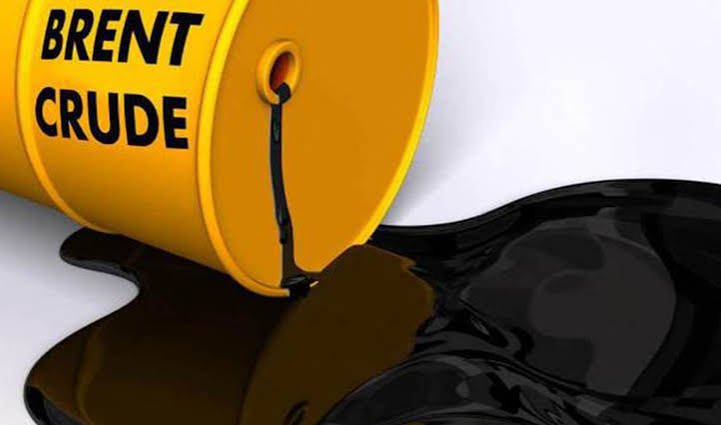
The G7 also expressed support for US efforts to maintain the flow of commerce through the strait.Brent price stood at $102.2 per barrel, while WTI cost $91.11 at 1.11pm Nigerian time on Saturday. Diesel price increased 0.31 percent to $2.56 on Saturday morning.
Related Articles
US pushes Europe to release diesel stocks
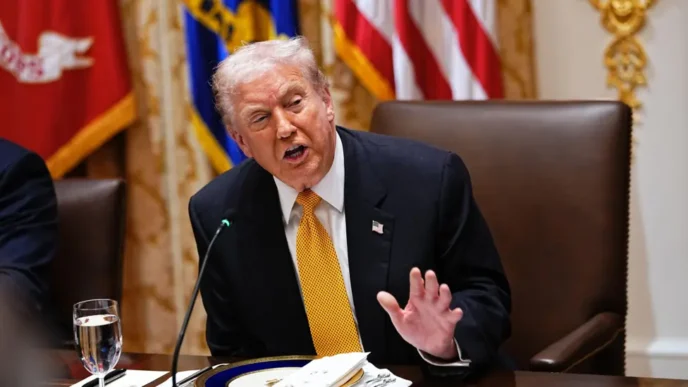
The latest agreement follows calls from the administration of US President Donald Trump for European Union countries to release part of their diesel reserves as international fuel prices continue to rise.
READ ALSO: Hormuz crisis, high oil prices accelerate China’s shift away from crude
The pressure has been particularly evident in European markets, where diesel prices have climbed sharply.
In the UK, the average pump price of diesel reached £2 per litre on Friday for the first time, underscoring the impact of the global energy market disruption on consumers.